Own your local market
Map pack dominance, Google Business Profile, and reviews — where the overwhelming majority of "dentist near me" searches are decided.
From steady new-patient flow to the highest-value cases in dentistry — implants, Invisalign, cosmetic, sedation — Denali Creative markets each service line the way its patient actually decides, and fixes the phone and web-lead gaps where most new patients quietly slip away. Healthcare-only since 2006.
Dental marketing is the system a practice uses to turn online demand into booked patients: local search visibility, paid advertising, a website that converts, and a front office trained to turn calls and forms into appointments. Done well, it is measured in new patients and case acceptance — not clicks, impressions, or traffic.
Most dental marketing fails for a simple reason: it stops at traffic. An agency drives clicks to a website, reports the clicks, and calls it a win — while the practice loses the actual patients on an unanswered phone, a slow reply to a web form, or a booking process with too much friction. The visit is not the conversion. The booked appointment is.
Effective dental marketing today also has to work in three arenas at once. SEO earns rankings in traditional Google results and the local map pack, where the majority of "dentist near me" decisions begin. AEO (answer engine optimization) structures your content so that Google's AI Overviews and answer boxes cite your practice directly. And GEO (generative engine optimization) makes your practice the answer when patients ask ChatGPT, Perplexity, or Gemini "who's the best implant dentist near me" — a fast-growing share of how patients now choose providers. A practice that only optimizes for the ten blue links is invisible in the places a growing number of patients actually look.
Denali builds the whole system: dental implant marketing from single tooth to All-on-X, Invisalign and clear aligner marketing, cosmetic dentistry marketing, sedation dentistry marketing for the fearful patient, and DSO and multi-location marketing with per-office accountability — all on one foundation of trained phones, trained coordinators, and a website built to convert.
Every marketing dollar should map to a step in this journey — because a weak link anywhere breaks the whole chain.
"Dentist near me," "dental implant cost," or a question typed into ChatGPT. Visibility here — map pack, rankings, AI citations — decides who's even considered.
Reviews, star ratings, photos, and the doctor's face. Patients shortlist two or three practices before anyone knows they exist.
Can they see services, pricing guidance, and a way to book without friction? A slow or confusing site quietly ends the journey here.
The first ring is the first impression. Missed calls, hold times, and untrained answers are where most "marketing problems" actually live.
Notice what that journey means for budget: a practice can win steps one through three and still lose the patient at step four. That's why we treat the front desk as part of the marketing funnel — because to the patient, it is. Call tracking, phone scripting, and web-lead response time are conversion levers every bit as powerful as ad spend, and usually far cheaper to fix.
Most dental marketing stops at traffic. But patients are lost on the phone, in the inbox, and in a website that doesn't make booking easy. We fix the whole path.
Map pack dominance, Google Business Profile, and reviews — where the overwhelming majority of "dentist near me" searches are decided.
We audit front-desk call handling and web-lead response — the conversion leaks that quietly cost practices new patients every week.
Veneers, full-arch, implants, Invisalign — dedicated funnels and education built to acquire the cases that actually move revenue.
The implant patient hesitates for years. The Invisalign shopper compares three practices in an afternoon. The fearful patient won't even pick up the phone. One generic campaign can't speak to all of them — so we built a complete marketing program for each.
 Playbook / 01
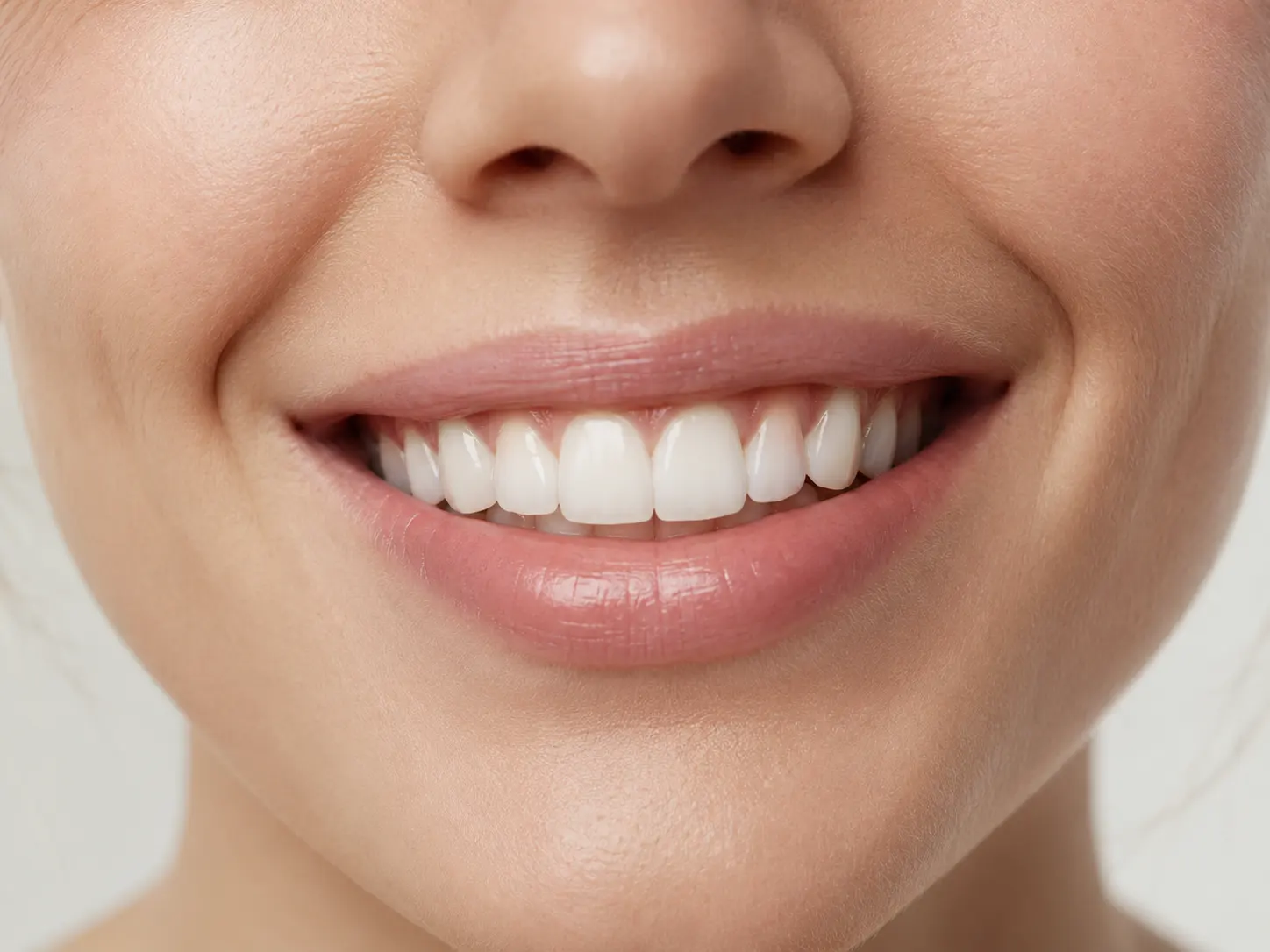
High-value case acquisition for veneers, smile makeovers, and whitening — sold on image and proof.
See the playbook → Playbook / 02
Qualified, financing-ready patients from single tooth to All-on-X full arch — not tire-kickers.
See the playbook → Playbook / 03
Adults, teens, touch-ups, and mail-order rescues — converted into scans, starts, and Smile Days.
See the playbook → Playbook / 04
No-judgment campaigns and phone-free funnels for the patients who are afraid to call.
See the playbook → Playbook / 05
Per-location accountability — de novo launches, acquisition rebrands, and one scoreboard per office.
See the playbook → Playbook / 06
Steady new-patient flow through local SEO, ads, and a site that makes booking effortless.
Talk to us →These service lines also feed each other, and our funnels are built to route between them. The single-tooth implant patient becomes a whole-family general dentistry patient. The sedation patient who finally overcame their fear often needs full-arch implant treatment. The cosmetic consult frequently converts to clear aligners first. Marketing them as one connected system — instead of six disconnected campaigns — is where the compounding happens.
It's a lesson our founder learned filling refractive surgery calendars: advertising multiplies whatever it hits. Send paid leads into an untrained phone team and you multiply waste — so every dental engagement starts inside the practice.
The first ring is the first impression. We script and train your front line to answer with warmth, qualify with skill, and schedule on the first call — with call tracking and scoring to keep it sharp.
The rainmaker role. Case-acceptance coaching for presenting treatment plans with confidence, financing conversations before the patient has to ask, and same-day commitments.
Conversion-ready before traffic arrives: effortless booking, honest cost and financing content, reviews and proof, and call and form tracking installed on every page.
With the foundation converting, we turn on Google Ads, SEO, and video — and every lead lands on a practice built to book it. Same leads, dramatically better math.
Every channel below reports to the same scoreboard: new patients booked and cases accepted, tracked by call and by form — so you always know what your marketing actually produced.
Rank in Google, get featured in AI Overviews, and get cited by ChatGPT and Perplexity for local and high-value dental searches.
New-patient and high-value-case campaigns with call tracking and cost-per-patient accountability — never cost-per-click theater.
Fast, trust-building dental websites with effortless online booking — engineered to convert visitors into patients.
Doctor intros, patient stories, and procedure education — produced in our in-house 4K studio, the trust asset no competitor can copy.
Map pack rankings, Google Business Profile optimization, and review velocity — for one location or fifty.
Front-desk scripting, call scoring, and case-acceptance coaching that turn calls into booked chairs.
Denali Creative was founded in 2006 by Paul Stubenbordt, but the story starts earlier: in 2004, as a refractive surgery coordinator, Paul took a practice from 15–20 cases a month to 127 in 60 days — with zero change to its advertising — a turnaround documented in Cataract & Refractive Surgery Today. The lesson became the agency: train the phones, train the coordinator, build the website to convert — then market.
Two decades later, that foundation-first system drives dental and ophthalmology practices across the country, backed by an in-house 4K video studio, conference-speaker credentials at ASCRS and ASOA, and a rule we've never broken: healthcare only. Read the origin story →

Representative outcomes from dental engagements. Real numbers available on a call.
A dental marketing agency helps practices attract new patients and grow high-value case volume. Denali combines SEO, AEO, and GEO, Google Ads, dental website design, video production, and front-office training — built around how patients actually choose a dentist and how front desks convert calls into booked appointments.
Four levers, in order: own local search and the map pack where "dentist near me" decisions happen; run tightly managed Google Ads with call tracking; build a website that makes booking effortless; and fix phone handling and web-lead response — the step where most new patients are actually lost. Practices usually see the fastest gains from the fourth lever, because it improves the return on everything already running.
It varies with market competitiveness, growth goals, and service mix — a single general practice and a multi-location implant-focused group are different investments. The more useful question is cost per booked patient: with call tracking and per-service attribution in place, marketing becomes a math decision, and budget flows to whatever produces patients at the best cost. We scope investment on a strategy call after seeing your market and goals.
The best-performing combination for most practices is local SEO and Google Business Profile optimization for durable visibility, Google Ads for immediate demand capture, a conversion-focused website, and trained phones to close what the first three produce. High-value service lines — implants, Invisalign, cosmetic, sedation — then justify their own dedicated funnels, because those patients research and decide differently than a routine new patient.
AEO (answer engine optimization) structures your content so Google's AI Overviews and answer boxes feature your practice directly. GEO (generative engine optimization) makes your practice the recommendation when patients ask AI assistants like ChatGPT, Perplexity, or Gemini for a dentist. A growing share of patients now start there instead of the ten blue links — so yes: practices that only optimize for traditional rankings are invisible in the places search is moving. Every Denali content program is built for all three.
Yes — when they're run to cost-per-patient rather than cost-per-click, and when the practice can convert what they produce. Dental Google Ads fail in two predictable places: unqualified traffic from loose keyword targeting, and good calls lost to untrained front desks. We manage both ends: tight, intent-based campaigns with call tracking, landing pages built to convert, and phone training so paid calls become booked chairs.
Local SEO improvements — Google Business Profile optimization, review velocity, map pack visibility — often show movement within the first few months. Competitive organic rankings for high-value terms like implant and cosmetic searches build over six to twelve months and then compound. That's why we pair SEO with Google Ads: paid captures demand immediately while organic visibility is built, and budget shifts as rankings take over.
Each high-value service line gets its own full playbook, because each patient decides differently: cosmetic dentistry, dental implants from single tooth through All-on-X, Invisalign and clear aligners including turnkey Smile Day events, and sedation dentistry for the fearful patient — plus general and family new-patient programs.
Yes. High-value cases like veneers, full-arch, implants, and Invisalign need different funnels than routine new-patient flow — longer consideration, more education, financing-forward messaging, and consult-focused conversion. See the full dental implant marketing and cosmetic dentistry marketing playbooks.
Yes. Multi-location groups need location-level SEO architecture, individual Google Business Profiles, real location pages instead of doorway templates, and per-location attribution — de novo launches, acquisition rebrands, and turnarounds each get their own play. See the full DSO & multi-location marketing playbook.
Book a no-pitch strategy call, or request a free audit of your SEO, ads, and new-patient funnel.