Own both demand channels
Consumer search and AI visibility for elective procedures, plus a protected, growing OD referral base — because the surgical calendar is fed by both, and competitors rarely defend either well.
Refractive, cataract, and premium IOL growth is where Denali started — and it's still what we do best. From consumer demand and OD referral channels to the phone scripts and consult-room training that convert them, we build the whole system and track it to consults booked and surgeries performed. Ophthalmology-first since 2001.

Ophthalmology marketing is the system a surgical eye care practice uses to turn demand into booked surgeries: consumer visibility for elective procedures like LASIK and premium cataract surgery, a protected and growing OD referral channel, a website built to convert, and phones and counselors trained to turn inquiries into consults and consults into cases. Done well, it is measured in surgeries performed and premium IOL mix — not clicks or impressions.
Ophthalmology is unusual in elective medicine because demand arrives through two channels at once. The consumer channel — a 30-year-old googling "LASIK cost," a 62-year-old asking ChatGPT about lens options before cataract surgery — behaves like retail: comparison shopping, price research, review reading. The professional channel — referring optometrists deciding where to send their surgical patients — behaves like relationship sales: trust, co-management, communication, and consistency. Most agencies understand one channel. A practice needs both, because they feed the same surgical calendar.
Effective ophthalmology marketing also has to work in three arenas at once. SEO earns rankings in Google and the local map pack, where most "LASIK near me" and "cataract surgeon" decisions begin. AEO (answer engine optimization) structures content so Google's AI Overviews cite your practice directly. And GEO (generative engine optimization) makes your surgeons the answer when patients ask ChatGPT, Perplexity, or Gemini who they should trust with their eyes — a fast-growing share of how surgical patients now choose.
Denali builds the whole system: refractive marketing across LASIK, SMILE, PRK, EVO ICL, and RLE, cataract and premium IOL marketing, optometric outreach that protects and grows the OD channel, refractive and PIOL sales training for the coordinators and counselors who close, phone training for the first ring, and platform-grade growth programs for PE-backed and multi-location groups.
Every marketing dollar should map to a step in one of these journeys — because a weak link anywhere breaks the chain, and the surgical calendar pays for it.
"LASIK cost," "best cataract surgeon near me," or a question typed into ChatGPT. Visibility here — rankings, map pack, AI citations — decides who's even considered.
Reviews, outcomes, the doctor's face on video. Elective surgery patients shortlist two or three surgeons before any practice knows they exist.
The price question on the first ring is where refractive consults are won or lost. Untrained answers end the journey your ads paid to start.
The coordinator's consult flow and the counselor's lens presentation determine whether interest becomes surgery — and at what average fee.
Running in parallel is the OD referral channel — the optometrists whose surgical referrals fill cataract and co-managed refractive volume. That channel runs on different fuel entirely: practice visits, co-management support, CE events, communication after every referral, and a named outreach relationship. It's also the channel most at risk during growth — nothing sends OD referrals drifting toward a competitor faster than an acquisition announcement or a co-management relationship gone quiet. Our optometric outreach program exists because this channel deserves a system, not an afterthought.
Most ophthalmology marketing stops at traffic. But cases are lost on the phone, in the consult room, and in a lens presentation delivered apologetically. We fix the whole path — it's where our agency began.
Consumer search and AI visibility for elective procedures, plus a protected, growing OD referral base — because the surgical calendar is fed by both, and competitors rarely defend either well.
Phone scripts for the price question, coordinator consult flow, and premium IOL presentation training — the conversion system our founder proved before Denali existed, taught as the Rainmaker System.
Refractive ASP and premium IOL mix are where practice economics actually move. We market, educate, and train to the mix — because a few points of premium conversion outperforms most ad budgets.
The refractive shopper, the cataract patient, the referring OD, and the PE operating partner all decide differently — so we built a complete program for each, connected by one foundation.
Playbook / 01LASIK, SMILE, PRK, EVO ICL & RLE — one funnel that routes every patient to the procedure they qualify for.
See the playbook → Playbook / 02
Premium lens education and conversion — turning covered surgery into refractive outcomes.
See the playbook →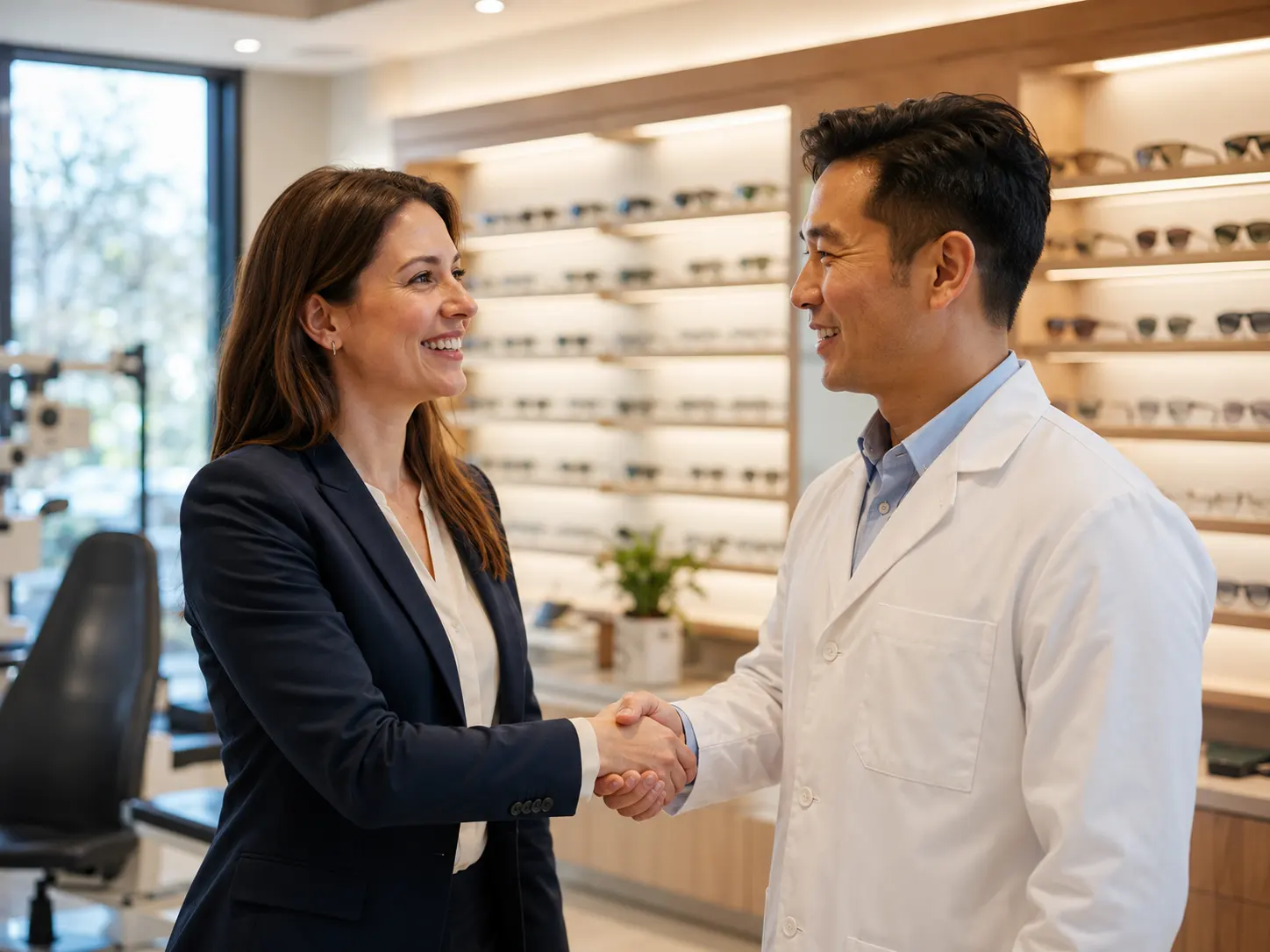 Playbook / 03
Protect and grow the OD referral channel — visits, CE events, and co-management support.
See the playbook → Playbook / 04
The Rainmaker System — coordinator, counselor, and surgeon-handoff training measured in conversion and mix.
See the playbook → Playbook / 05
The first ring is the first consult — scripts, call scoring, and the price question, handled.
See the playbook → Playbook / 06
Post-close growth for eye care platforms — protect the acquired assets, transition founders, build the exit story.
See the playbook →These programs feed each other by design. Refractive demand converts through trained phones and trained coordinators. The 55-year-old who isn't a LASIK candidate becomes an RLE patient — and a decade later, a premium cataract patient. The OD channel fills the co-managed surgical volume in between. And for platforms, the whole engine is deployed location by location, reported by surgeon and by market. One connected system is why the numbers compound instead of just add.
In 2004, our founder took a practice from 15–20 refractive cases a month to 127 in 60 days — with zero change to its advertising. Only the conversion changed. That lesson is the architecture of every engagement we run.
The price question on the first ring, answered to book a consult instead of end a call — with scripts, mystery shopping, and call scoring. See the program →
The Rainmaker System: consult flow, price presentation, objection handling, premium IOL packages, and the surgeon handoff — measured in conversion and mix. See the training →
Conversion-ready before traffic arrives: self-tests, cost transparency, surgeon bios and video, fast booking paths, and call and form tracking installed on every page.
With the foundation converting, we turn on Google Ads, SEO, video, and OD outreach — and every lead lands on a practice built to close it. Same leads, dramatically better math.
Every channel below reports to the same scoreboard: consults booked, surgeries performed, and premium mix — tracked by call, by form, and by referral source.
Rank in Google, get featured in AI Overviews, and get cited by ChatGPT for LASIK, cataract, and premium lens searches.
Procedure-intent campaigns with call tracking and cost-per-consult accountability — never cost-per-click theater.
LASIK and cataract self-tests that qualify, route, and convert interest into consults across every procedure.
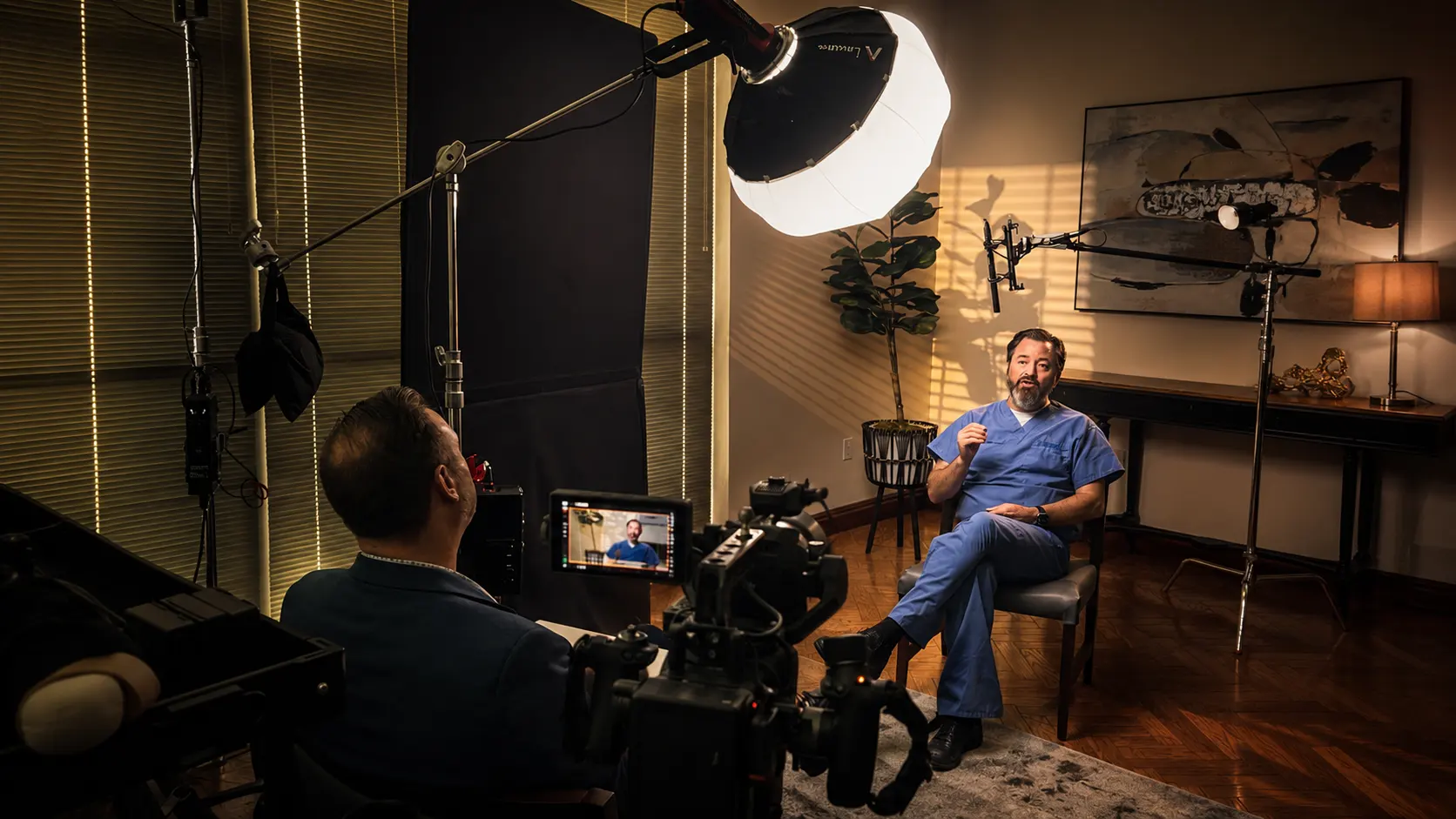
Surgeon-led explainers, patient stories, and pre-consult lens education — produced in our in-house 4K studio.
OD relationship programs, CE events, and co-management support that protect and grow the referral channel.
The Rainmaker System — phone scripts, consult flow, and premium IOL presentation, scored monthly.
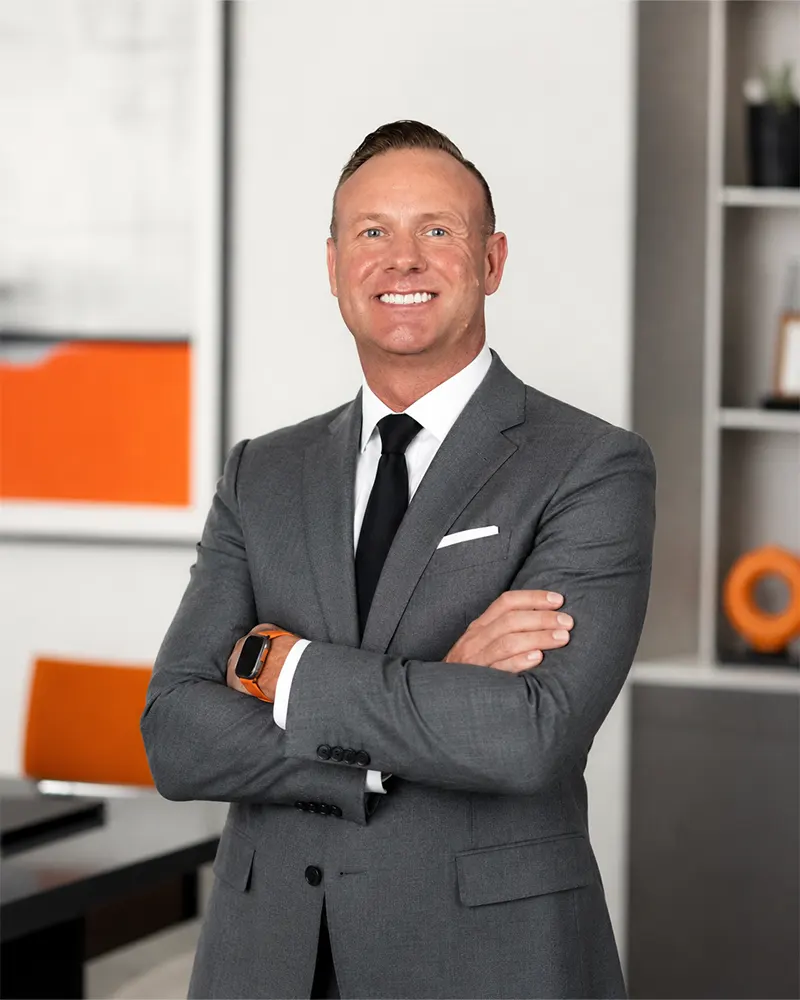
In 2004, as a refractive coordinator, Paul Stubenbordt took a struggling practice from 15–20 cases a month to 127 in 60 days — with zero change to its advertising — a turnaround documented in Cataract & Refractive Surgery Today. The lesson became the agency he founded in 2006: train the phones, train the coordinator, build the website to convert — then market.
Two decades later, that foundation-first system drives refractive, cataract, and premium IOL growth for practices and platforms across the country — backed by an in-house 4K video studio, speaker credentials at ASCRS and ASOA, and a rule we've never broken: healthcare only. Read the origin story →
The first number is from the 2004 turnaround documented in CRST. The rest are representative of ophthalmology engagements — real numbers on a call.
It helps surgical eye care practices grow consult and surgery volume across both demand channels: consumer marketing for elective procedures like LASIK, RLE, and premium cataract surgery, and professional outreach to the referring optometrists who direct surgical volume. Denali combines SEO, AEO, and GEO, Google Ads, self-test funnels, surgeon-led video, OD outreach, and phone and consult-room training — tracked to consults booked, surgeries performed, and premium IOL mix.
Own the money searches — cost, candidacy, and comparison — in Google and AI answers; run a self-test funnel that captures and routes every prescription to the right procedure; present pricing and financing transparently; and train the phones and coordinator to convert, because the price question on the first ring is where most refractive consults are won or lost. See the full refractive marketing playbook.
Premium mix is a conversation problem, not a patient problem. It moves when patients are pre-educated before the consult — often with a lens education video — and when counselors present outcomes-first package tiers with financing normalized, backed by consistent surgeon chairside language. We baseline mix by counselor and surgeon, train the presentation, and track the movement monthly. See refractive & PIOL sales training.
With a system, not sporadic lunches: a named outreach relationship, regular practice visits, co-management support and communication after every referral, CE events, and referral tracking by source so growth and drift are both visible. The OD channel is also the most fragile asset during practice transitions — protecting it is a day-one priority in any acquisition. See optometric outreach.
AEO (answer engine optimization) structures your content so Google's AI Overviews feature your practice directly; GEO (generative engine optimization) makes your surgeons the recommendation when patients ask ChatGPT, Perplexity, or Gemini about LASIK or cataract surgery. Surgical patients research heavily before trusting anyone with their eyes, and a growing share of that research now happens in AI answers — practices optimizing only for traditional rankings are invisible where search is moving.
Because advertising multiplies whatever it hits — and we have the receipt: in 2004 our founder took a practice from 15–20 cases a month to 127 in 60 days with zero change to its advertising, a turnaround documented in Cataract & Refractive Surgery Today. Only the conversion changed. Training the phones and the consult room first makes every marketing dollar spent afterward work harder.
It varies with market competitiveness, procedure mix, and growth goals — a single-surgeon refractive practice and a multi-location platform are different investments. The more useful metric is cost per booked consult and per surgery: with call tracking and per-procedure attribution in place, marketing becomes a math decision, and budget flows to whatever produces cases at the best cost. We scope investment on a strategy call after seeing your market.
Local improvements — Business Profile optimization, review velocity, map pack visibility — often show movement within the first few months. Competitive organic rankings for high-value terms like LASIK and cataract searches build over six to twelve months and then compound. That's why we pair SEO with Google Ads: paid captures demand immediately while organic and AI visibility are built, and budget shifts as rankings take over.
Yes — it's a dedicated practice. Platforms need post-close asset protection, OD referral retention through integration, founder transition marketing, premium mix programs deployed location by location, and attribution reported by market and by surgeon in the units the value-creation model uses. See private equity & multi-location ophthalmology marketing.
Yes — end to end, in our in-house 4K studio and on location: surgeon intros, patient transformation stories, procedure explainers, and the pre-consult lens education videos that lift premium IOL conversion. Our founder also teaches the ASOA course on filming and editing video for ophthalmic practices, so the same expertise we sell is the expertise we teach the industry.
Book a no-pitch strategy call, or request a free audit of your SEO, ads, phones, and consult conversion.